
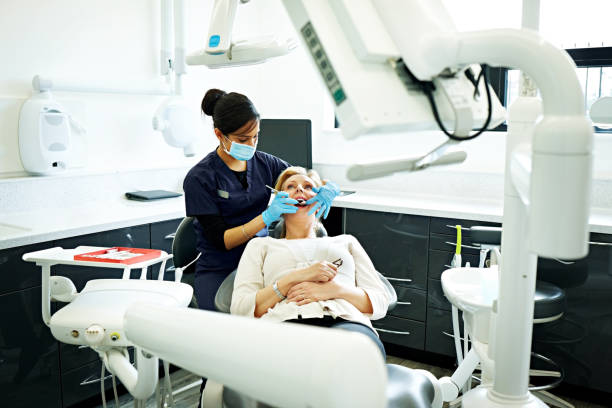
The dental industry has always been at the forefront of technological innovation. Over the past decade, however, advancements in digital technology and 3D printing have begun to revolutionize every aspect of dental care—from diagnostics and treatment planning to prosthetics and surgical procedures. These innovations are not just making dentistry more efficient; they are transforming it into a truly patient-centered experience, offering precision, customization, and faster turnaround times.
Dental practices embracing these technologies can now provide services that were unimaginable just a few years ago. One such practice,York House Dental Practice in Surrey, UK, has integrated digital workflows into routine care, demonstrating how modern dentistry combines technology with clinical expertise to improve patient outcomes.
The Role of 3D Printing in Dentistry
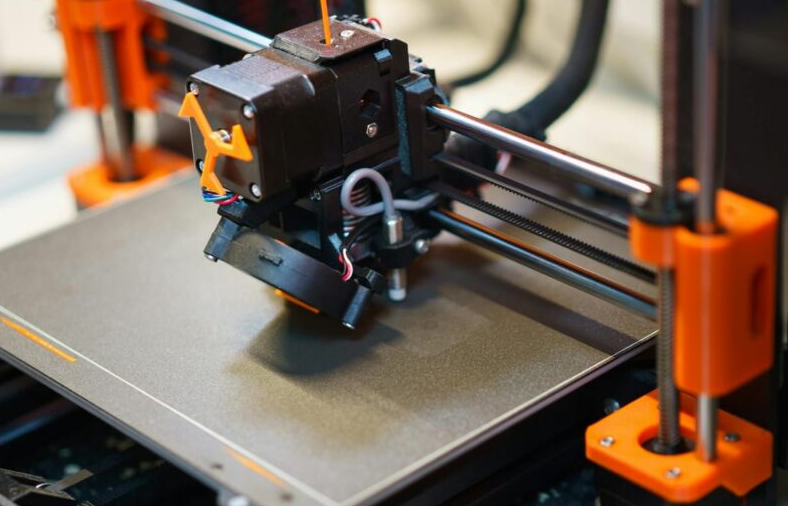
3D printing, also known as additive manufacturing, allows dental professionals to create highly accurate models, surgical guides, crowns, bridges, dentures, and even orthodontic devices directly from digital scans. This technology removes much of the traditional trial-and-error approach, ensuring that restorations fit precisely the first time.
For example, when designing crowns or bridges, dentists can use a digital impression to create a virtual model of the patient’s teeth. The 3D printer then fabricates the restoration with exceptional accuracy, often within hours. This reduces the number of appointments required, minimizes adjustments, and ensures a comfortable fit.
Dental labs and clinics worldwide are harnessing this technology to streamline their workflows. Not only does it save time, but it also enhances the predictability of outcomes. Practices like Esthetica Dental and Maxillofacial Surgery Hospital in India are using 3D printing to produce complex surgical guides for implant placements, ensuring precise positioning and minimizing complications during surgery. This level of precision significantly improves both functional and aesthetic results for patients.
Digital Workflows: From Scan to Smile
The integration of digital workflows into dental practice is as transformative as 3D printing itself. Modern intraoral scanners capture high-resolution images of teeth and gums without the discomfort of traditional impressions. These scans are converted into digital files that can be used for diagnosis, treatment planning, and fabrication of restorations.
By connecting digital scanning, CAD/CAM software, and 3D printing, dentists and labs can create a seamless workflow from patient assessment to final restoration. For patients, this translates to fewer visits, faster delivery of dental prosthetics, and reduced chances of errors. Clinics leveraging these technologies can also simulate outcomes digitally, allowing patients to visualize the expected results before any procedure begins, which greatly enhances communication and satisfaction.
Digital workflows also facilitate better collaboration between dentists and laboratories. For instance, a lab receiving digital impressions can start designing restorations immediately, even from a different location. This reduces turnaround times and ensures high-quality results. Innovative platforms like Dental Lab Shop highlight how integrating digital solutions can streamline production while maintaining precision and consistency.
Applications Across Dental Specialties
The impact of 3D printing and digital workflows extends across multiple dental specialties. In orthodontics, 3D printing allows the creation of custom aligners tailored to a patient’s unique dental anatomy. Traditional braces often require multiple adjustments over months or years, but digitally designed aligners can be fabricated to fit precisely, improving both comfort and efficiency.
In prosthodontics, complex restorations such as full-arch implants benefit from precise surgical guides produced with 3D printing. These guides ensure implants are positioned optimally, enhancing long-term stability and reducing risks of complications. The combination of digital scanning, virtual treatment planning, and additive manufacturing allows for predictable, high-quality results that were previously difficult to achieve.
Even in oral surgery, digital workflows are making a significant difference. Preoperative planning using 3D imaging and printing reduces the margin for error, improves surgical outcomes, and shortens recovery times. Patients undergoing procedures such as bone grafting or reconstructive surgery experience fewer complications, faster healing, and better overall results.
Patient-Centric Benefits
Beyond clinical precision, the adoption of digital technologies has a profound impact on the patient experience. Traditional methods often involved multiple impressions, trial fittings, and repeated appointments. Today, with 3D printing and digital workflows, much of this is simplified.
Patients benefit from faster treatments, fewer visits, and greater comfort throughout procedures. The ability to visualize treatment plans and outcomes helps manage expectations and reduces anxiety. Moreover, digitally fabricated restorations often have superior fit and function, improving long-term satisfaction.
Another advantage is personalized care. Digital workflows allow dentists to consider every anatomical nuance, producing restorations and surgical guides specifically designed for each individual. This tailored approach improves both aesthetics and functionality, ultimately enhancing overall oral health.
Sustainability and Efficiency
Another often overlooked benefit of 3D printing and digital workflows is their positive impact on sustainability. Traditional methods require substantial materials for molds, impressions, and adjustments, much of which is discarded. Additive manufacturing reduces waste by using only the material necessary to fabricate the restoration.
Additionally, digital workflows save time for both patients and clinicians, allowing dental practices to operate more efficiently. Reduced chair time and streamlined laboratory processes not only improve patient throughput but also allow dentists to focus more on patient care rather than manual labor-intensive procedures.
Challenges and Considerations
Despite the remarkable benefits, implementing these technologies requires careful planning. The initial investment in scanners, software, and printers can be substantial, and training staff to effectively use these systems is critical. Furthermore, maintaining data security for digital records is paramount to ensure patient privacy.
Clinics must also balance technology with human expertise. While AI and digital workflows enhance precision, they do not replace the dentist’s judgment and experience. The most successful practices are those that integrate technology as a tool to augment professional skill rather than substitute it.
Looking Ahead
The future of dentistry is increasingly digital and patient-centered. As 3D printing and digital workflows continue to evolve, we can expect even faster fabrication times, more precise restorations, and advanced simulation capabilities. Emerging technologies such as AI integration, bioresorbable materials, and digital twin modeling promise to further enhance personalized care.
Patients seeking modern, efficient, and predictable dental solutions will benefit tremendously from practices that embrace these innovations. From routine check-ups to complex reconstructive procedures, the combination of digital workflows and 3D printing ensures treatments that are faster, more accurate, and tailored to individual needs.
Takeaway
The integration of 3D printing and digital workflows is redefining modern dentistry. Practices like York House Dental Practice and Esthetica Dental and Maxillofacial Surgery Hospital are leading the way, using these technologies to enhance precision, efficiency, and patient satisfaction. Platforms such as Dental Lab Shop are enabling seamless collaboration between dentists and labs, highlighting how technology can elevate the entire dental care process.
For patients, this means a more comfortable, predictable, and personalized experience. For dentists, it represents an opportunity to deliver the highest standard of care with confidence. As the dental industry continues to embrace innovation, one thing is clear: the future is digital, and it promises a brighter, healthier smile for everyone.

.gif)