
As the UK accelerates its investment in clean energy technologies, green hydrogen is rapidly emerging as a cornerstone of its future energy strategy. From industrial decarbonisation to energy storage and transport, hydrogen’s versatility is unmatched. However, its promise also brings a hidden danger: safety gaps in how hydrogen systems are designed and deployed in hazardous industrial environments.
A growing number of companies are building green hydrogen facilities—but many lack the operational experience to manage hydrogen’s physical hazards, particularly when deployed near ignition sources, personnel, or flammable chemicals. This has triggered mounting concern from industry experts.
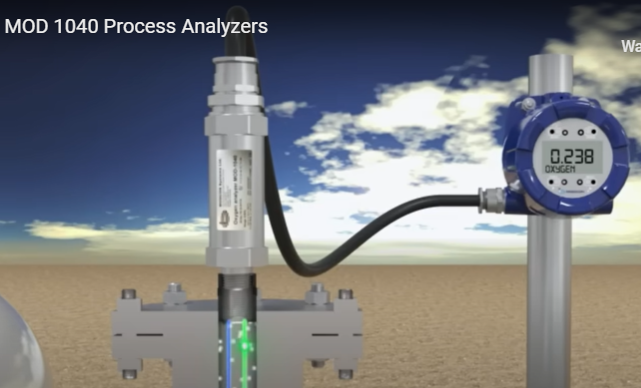
In response, Modcon Systems Ltd, a London-based engineering and analytics firm, is stepping forward with a suite of real-time safety technologies designed to close these gaps—most notably through the deployment of in-situ oxygen and hydrogen analyzers.
Hydrogen’s Properties Demand Stricter Oversight
Hydrogen is not just another industrial gas. It ignites with as little as 0.02 millijoules of energy, compared to 0.29 mJ for methane. It also has a dangerously wide flammability range—between 4% and 75% in air—and diffuses rapidly, escaping through seals and joints that would contain other gases.
In confined or congested industrial settings, this means that even small leaks can lead to explosive accumulations. Despite this, many green hydrogen systems are being installed in modular, containerized formats without the flare systems, venting infrastructure, or automated leak detection commonly found in traditional oil and gas operations.
The risk is not theoretical. Without oxygen analyzers and hydrogen analyzers that can deliver fast, accurate readings, site operators are effectively flying blind when it comes to detecting and isolating flammable atmospheres.
The Operational Knowledge Gap
Many hydrogen project developers come from renewable energy or environmental sectors—disciplines with limited exposure to ATEX, IEC 60079, or NEC hazardous area classification standards. As a result, concepts like gas group classification, zone definition (Zone 0, 1, 2), or temperature classes are often misunderstood or ignored.
This has led to misapplications such as:
- Selecting uncertified electrical equipment for flammable areas
- Neglecting gas detection coverage in critical zones
- Failing to include nitrogen purging or inerting systems during startup and maintenance
Without the tools and expertise to manage these challenges, hydrogen facilities may face elevated risks of fire, explosion, or regulatory non-compliance.
London-Based Modcon Systems Steps In
Modcon Systems Ltd, headquartered in London, is tackling these issues with a high-precision approach to safety. The company has developed a platform of in-situ gas analyzers that allow for real-time monitoring of hydrogen and oxygen levels at the source—without the delays, risks, or infrastructure required for traditional extractive sampling.
This innovation is particularly important for high-pressure electrolyzer systems and other hydrogen-intensive processes where rapid detection is critical. By integrating AI-enabled optimization software with robust hardware, Modcon’s technology can trigger automated responses in Safety Instrumented Systems (SIS), helping operators:
- Detect leaks early
- Initiate emergency shutdowns
- Control oxygen buildup
- Sequence venting operations safely
Importantly, this technology aligns with SIL-2 functional safety requirements, as outlined in IEC 61511—a crucial benchmark for mission-critical safety systems in hazardous industries.
Why This Matters for the UK Hydrogen Economy
The UK government has committed to 10GW of low-carbon hydrogen production capacity by 2030, including at least 5GW from green hydrogen. As these projects move from pilot to commercial scale, ensuring safety in hazardous areas must become a national priority.
Without the right infrastructure and tools—such as oxygen analyzers, hydrogen analyzers, and SIL-rated control systems—the risks could undermine investor confidence, disrupt operations, and delay progress on decarbonisation goals.
That’s why Modcon’s London-based presence is so vital. The company not only offers field-proven technologies but also brings the engineering mindset of the traditional oil and gas industry into the rapidly evolving green hydrogen sector. This fusion of experience and innovation positions the UK to lead—not just in hydrogen generation, but in hydrogen safety.
Key Takeaways for Industry Stakeholders
- Hydrogen’s physical properties require more stringent monitoring and control strategies than many new developers currently implement.
- Oxygen and hydrogen analyzers are essential for early detection of unsafe gas levels and for enabling automated shutdowns or containment actions.
- Functional safety standards (SIL-2) must be applied to critical hydrogen processes to reduce the likelihood of catastrophic failure.
- Modcon Systems Ltd is one of the few UK firms combining real-time gas analytics with AI and control logic to meet these demands.
Also Read: Why We Bring Our Own Equipment – And What It Means for You







.gif)